Building a Planting Calendar Around Canadian Zones
How to turn frost dates and days-to-maturity into a month-by-month sowing and transplanting schedule.
Read articleCrop planning · Canada
Frost dates, season length, and zone ranges shape what a vegetable garden can grow and when. This reference gathers planting calendars and zone-aware planning notes for Canadian conditions, from coastal British Columbia to the Prairies and Atlantic provinces.
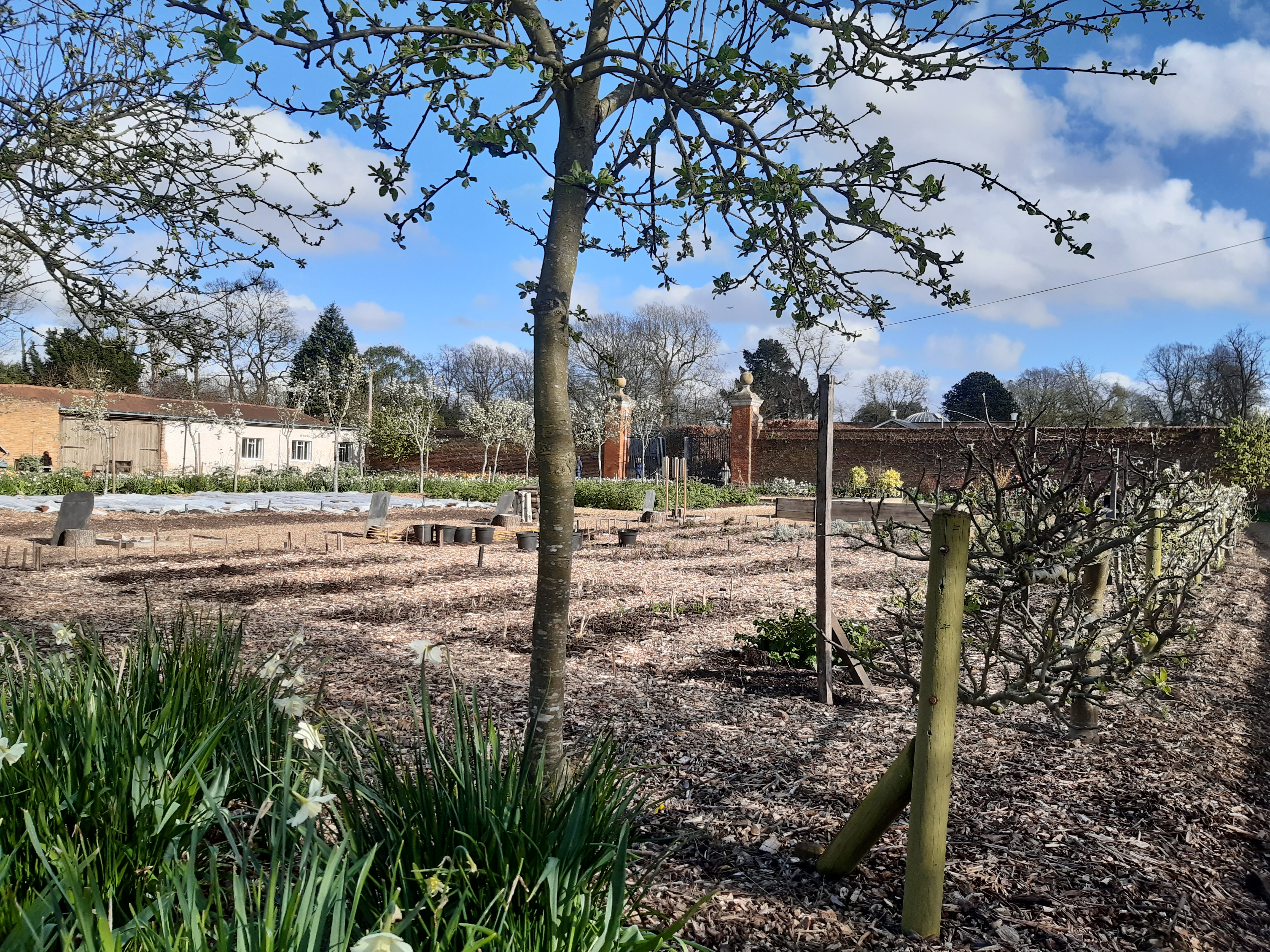
Where planning starts
The frost-free window between the average last spring frost and first fall frost sets the outer limit for warm-season crops like tomatoes, peppers, and squash.
Canada's plant hardiness zones, maintained by Natural Resources Canada, summarize climate factors that affect which perennials and overwintering crops survive in a given area.
Each variety lists days to maturity on its seed packet. Comparing that figure to your frost-free days shows whether a crop finishes in time or needs an indoor start.
Reference articles

How to turn frost dates and days-to-maturity into a month-by-month sowing and transplanting schedule.
Read article
What the zone map measures, how Canadian and USDA systems differ, and how to read your zone for vegetables.
Read article
Staggered sowings and quick-maturing crops that stretch yields where the frost-free window is tight.
Read articleQuick orientation
Frost-free days vary widely across the country. The ranges below are illustrative of regional differences; check a local source for dates specific to your site.
| Region example | Typical character | Season length tendency |
|---|---|---|
| Coastal British Columbia | Mild, wet winters | Longer frost-free window |
| Southern Ontario | Warm humid summers | Moderate to long |
| Prairie provinces | Cold winters, warm summers | Shorter, more variable |
| Atlantic Canada | Coastal, changeable | Moderate, late springs |
Contact
Spotted an error or have a regional note to add? Use the form below. Submissions are handled in your browser only and are not transmitted to a server.